Pavers in Woodland Hills, California
Licensed, insured crews building driveways, patios, and walkways that outlast concrete across Woodland Hills. Straight pricing, no runaround.
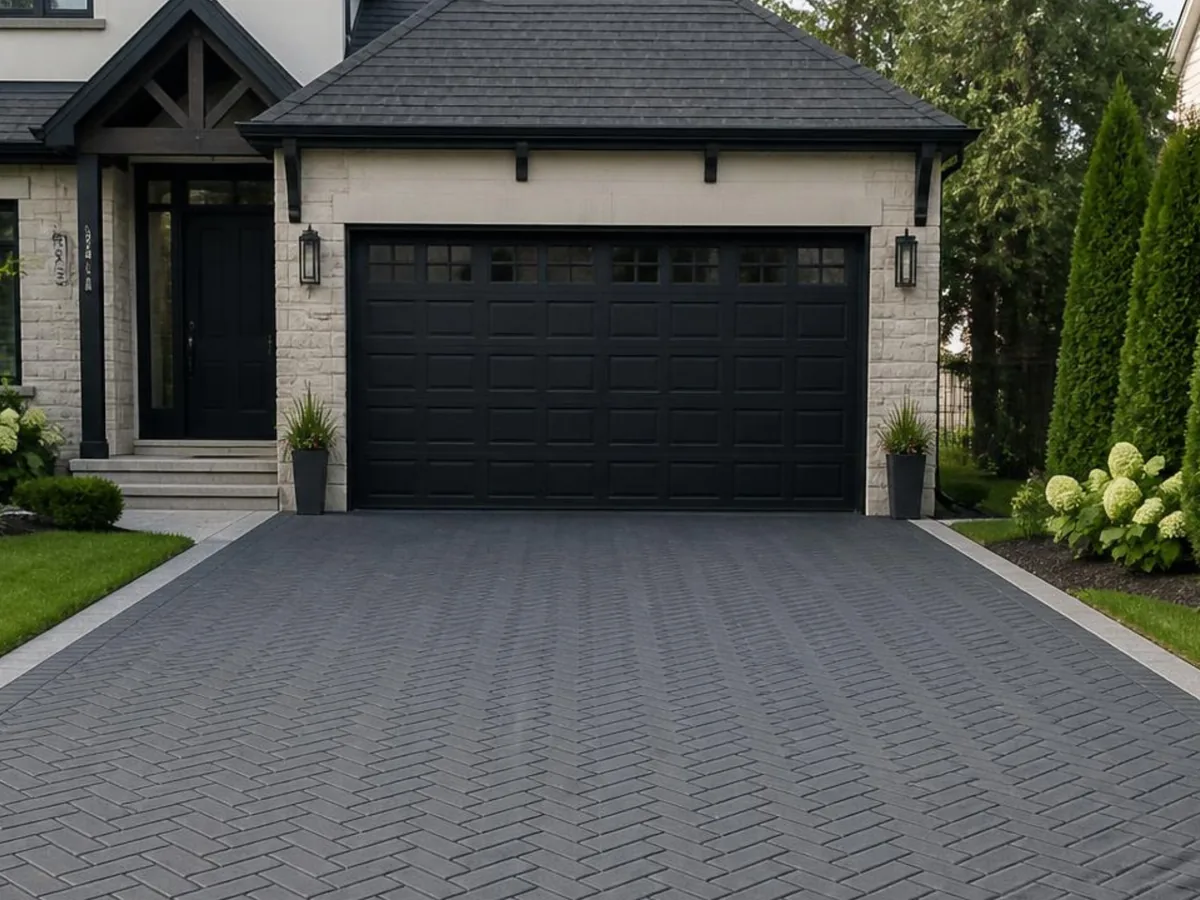
Surfaces we lay
Every hard surface around the Woodland Hills home.
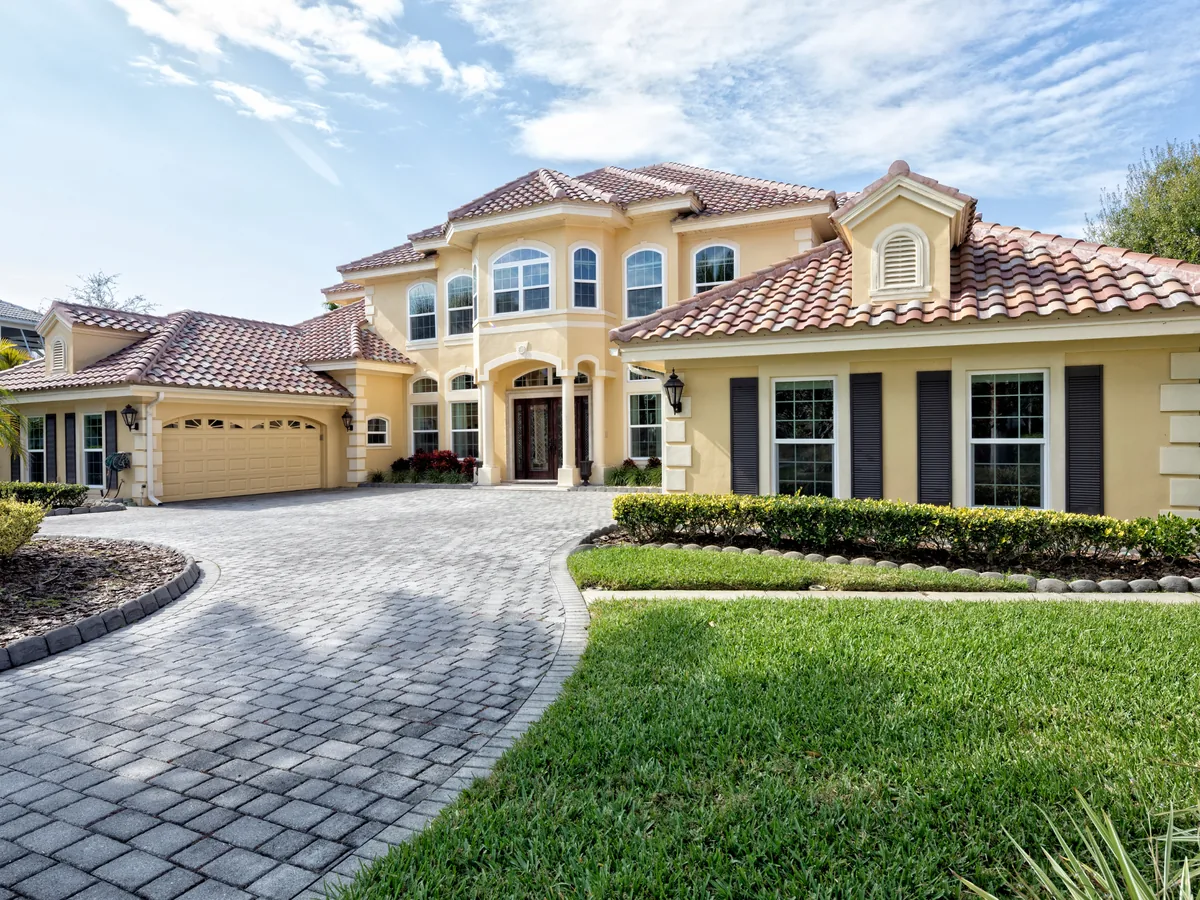

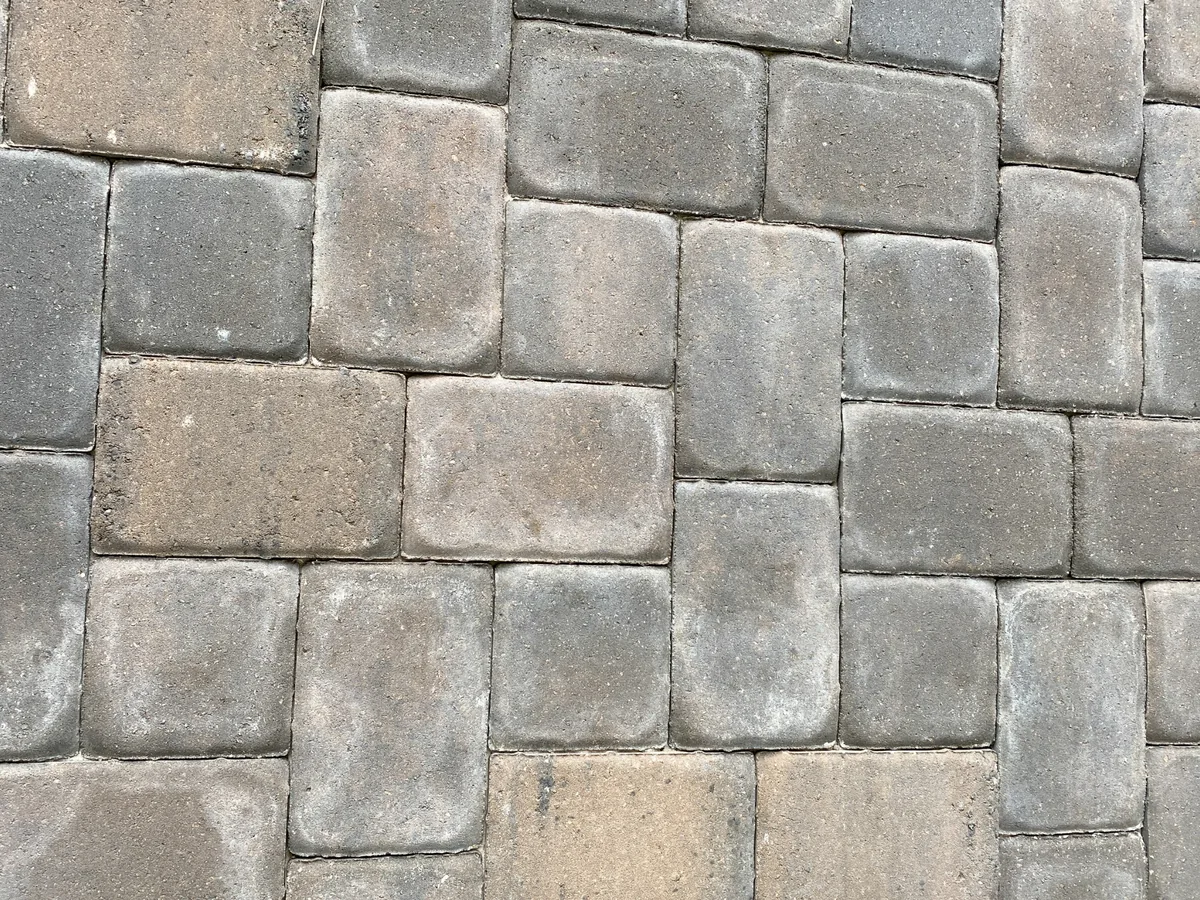
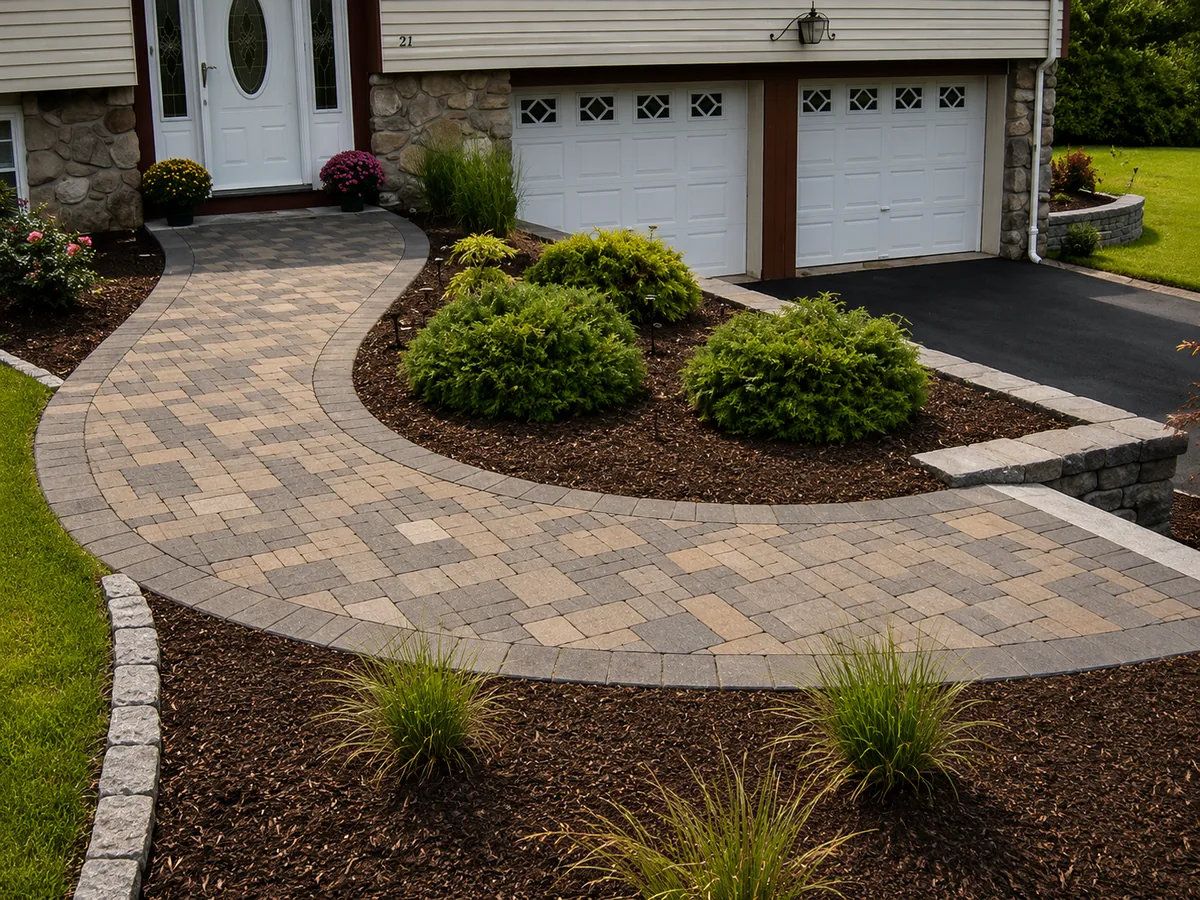
Local ground
Woodland Hills is two very different jobs.
Ventura Blvd splits this neighborhood in half, and the split decides how a paver project gets built here.
North of the boulevard
The post-war ranch tracts running north across the valley floor sit flat and easy to work, but the ground underneath is sedimentary clay and silt. Clay does not let rainwater soak away, it holds it, then swells in winter and shrinks in summer. That is why the original driveways out here are cracked.
So the money goes into the part nobody sees: deeper excavation, a geotextile between the native soil and the new aggregate, compaction in lifts, and a real drainage path. Out in Walnut Acres, where the old Diamond Walnut orchard land now comes in one to two acre parcels, the same build just covers a lot more ground.
South toward Mulholland
Cross Ventura Blvd and you are in the Santa Monica Mountains foothills, where lots tilt, driveways curve, and a level patio means cutting into the slope and holding it with a retaining wall. The streets are narrow and winding, so trucks stage further out and material moves in smaller loads.
Grading and drainage work up here often calls for a geotechnical report and a City of Los Angeles permit. Much of the area also sits inside a Very High Fire Hazard Severity Zone, which is where a noncombustible paved surface near the house earns its keep twice.
That is the all-time high for all of Los Angeles County, recorded at Pierce College right here in Woodland Hills on September 6, 2020. Add Santa Ana winds and you get punishing sun on any hard surface. Stamped concrete keeps its color in a thin coat that has to be resealed. Paver color runs through the whole unit, which is why it still looks like itself years later.
Want a straight number for your driveway or patio? Free on-site estimate. No card, no pressure.
The way we run it
The way we run a Woodland Hills job.
What it runs
What pavers cost in Woodland Hills.
These are real numbers from finished jobs, not a teaser rate. Your written quote is exact.
| Project | Installed range | Typical 400 sq ft |
|---|---|---|
| Paver patio | $15 - $22 / sq ft | $6,000 - $8,800 |
| Paver driveway | $16 - $25 / sq ft | $6,400 - $10,000 |
| Concrete pavers | $14 - $20 / sq ft | $5,600 - $8,000 |
| Walkway | $15 - $20 / sq ft | $6,000 - $8,000 |
Every range here folds in base prep, materials, and labor. Tearing out an old surface or adding a concrete base pushes toward the low end.
Asked a lot
Woodland Hills paver questions.
How much do pavers cost in Woodland Hills?
Most Woodland Hills projects land around $15 to $25 per square foot installed, and that figure already folds in base prep, materials, and labor. A 400 square foot patio usually works out to somewhere between $6,000 and $10,000. What moves you inside that range is the site more than the stone. A flat rectangle behind the house sits near the low end. A curved hillside drive with cuts, steps, and a retaining course sits near the top, and thick old concrete or a long carry from the street pushes it further.
Are your crews licensed and insured?
Yes, and we pull the certificates before we book you in, not after. Licensed, insured crews on every job. The cover runs to general liability and workers compensation, and you are welcome to ask for current copies at the estimate rather than chasing paperwork once the trucks are parked out front. The crew that starts your driveway is the crew that finishes it, so your job is not handed off to somebody you never met. If a lead changes partway through, we tell you who took over.
Do you remove the old driveway?
Yes. Tearing out the old slab or asphalt and hauling it off is priced with the job, so the number you sign covers the removal and the rebuild together. Breaking usually takes a day on a normal driveway, longer where somebody poured six inches of reinforced concrete decades ago. The debris goes to a recycling yard whenever the load allows. Once the slab is gone we can finally see the ground underneath, and that is when the base depth gets confirmed. If the subgrade looks worse than expected, you hear about it that day.
Does it matter which side of Ventura Blvd my house is on?
It matters a lot. The flat tracts north of the boulevard sit on clay and silt that drains poorly, so the base and the drainage carry the job. Lots in the foothills to the south bring grade changes, retaining walls, tight street access, and often a grading permit and a geotechnical report. North of the boulevard the work is mostly compaction and moving water off the surface. South of it, the design starts with how the ground falls and where that water ends up.
How do you get trucks and materials up a narrow hill street?
Carefully, and with a plan made before the first delivery. The hill streets off Mulholland and the lanes climbing south of Ventura Blvd are narrow, blind in places, and often have no shoulder to park on, so we size the delivery to the street rather than to the job. That can mean smaller loads more often, a skid steer shuttling pallets up from a staging point, or an early start so the truck is clear before the morning traffic. We walk the approach with you first and agree where material sits.
What happens to the sprinklers and lines buried under the old slab?
We locate them first and work around them. Older tracts here are full of irrigation run under driveways and walkways, plus the occasional low voltage lighting line or a gas stub nobody wrote down, so the crew probes before the breaker goes in. If a line sits inside the new base depth we reroute or sleeve it while the trench is open, which costs far less than cutting pavers out later. Heads that land under the new edge are moved and tested with the system running.
Do old walnut and sycamore roots cause trouble under pavers?
They can, and pavers cope with them better than a slab does. Walnut Acres still has mature trees from its orchard days, and the big sycamores along the older streets push surface roots straight under driveways. A poured slab lifts and cracks in one piece. A paver field flexes instead, and if a root raises a corner years from now, that section can be lifted, the root pruned or bridged, and the same stones reset. Near a trunk we adjust the base and keep the dig shallow enough to spare the tree.
What is in the written estimate before I sign anything?
Everything we intend to do, itemized on one page you can actually read. It lists square footage, the paver line and color, the pattern, base depth, edge restraint, joint sand, demolition and haul off, and any drainage or step work. Allowances and exclusions are named rather than buried, so you know what happens if something unexpected turns up under the slab. The payment schedule and the start window sit on the same sheet. Nothing is added later without your written approval.
If you want figures before a visit, the Woodland Hills pricing page has them, and the Woodland Hills guides covers how the work is actually done.
Nearly every job is a driveway rebuild in Woodland Hills, a patio and pool deck build, or a question about which concrete paver to use.
Get your free quote today.
Tell us about your driveway or patio and we will send a fixed written price. No pressure, no card.